
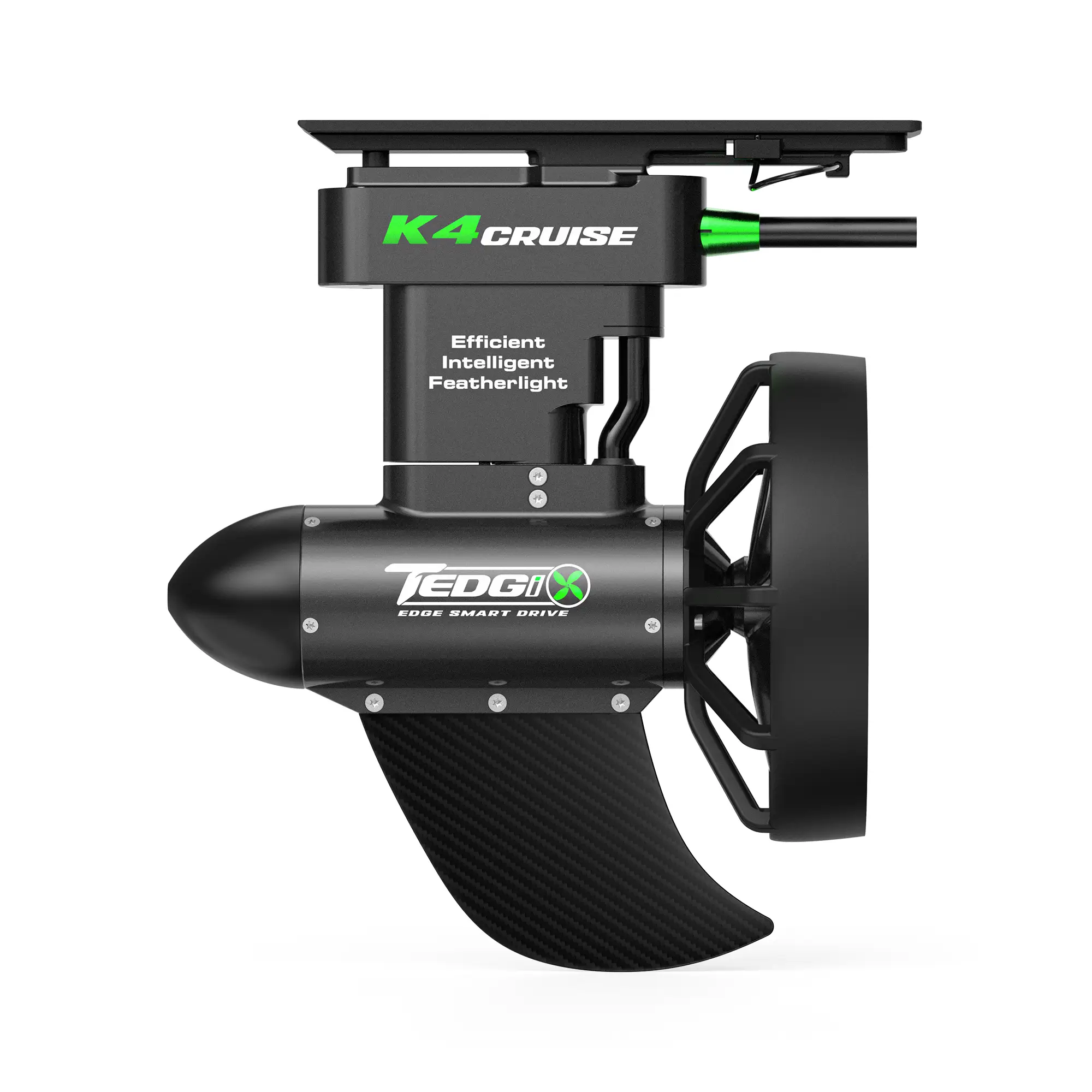
 K4C
K4C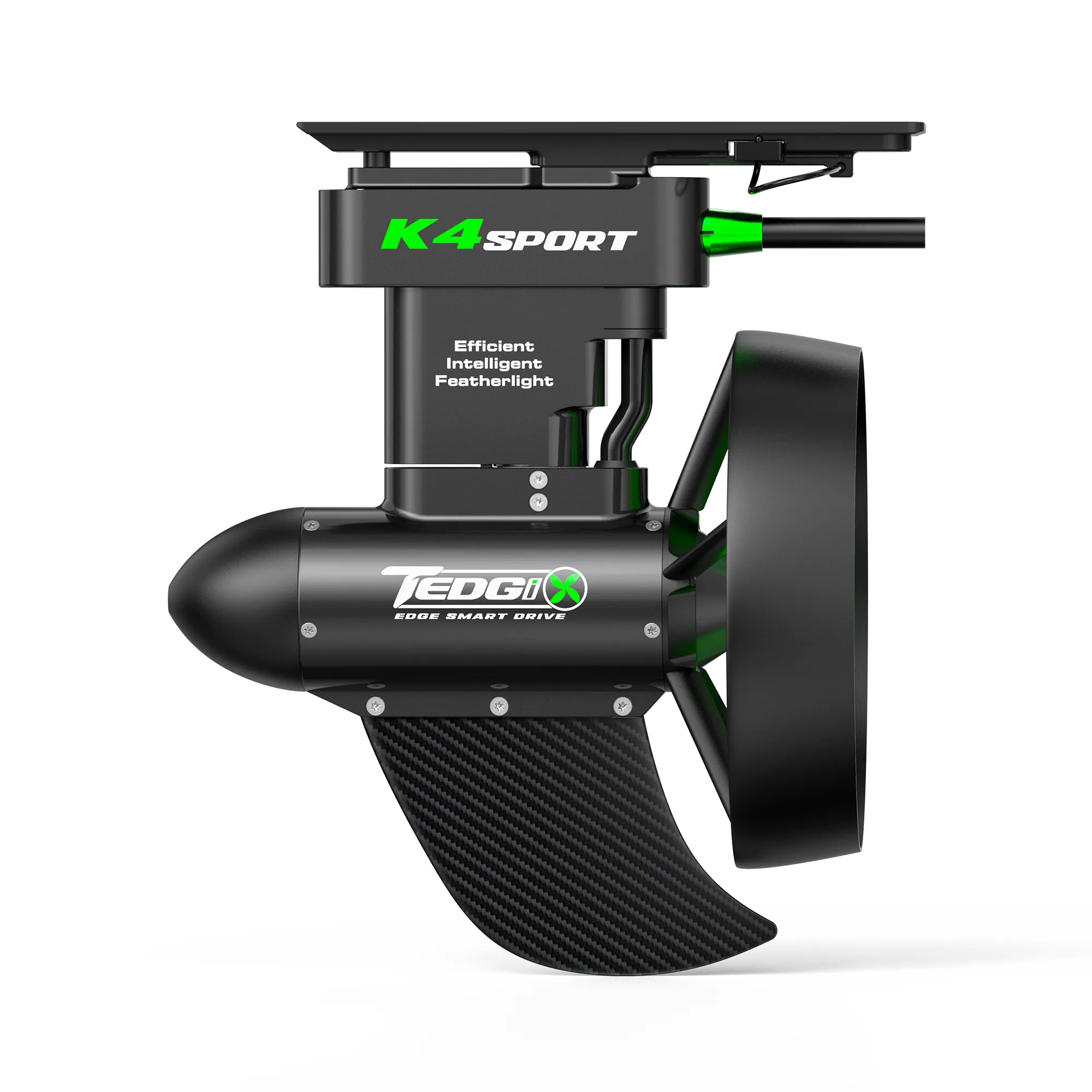 K4S
K4S K5
K5Why Winterizing an Outboard Motor Is the Real Cost of Gasoline Power
Why Winterizing an Outboard Motor Is the Real Cost of Gasoline Power
Every fall, boat owners repeat the same routine.
Flush the engine.
Stabilize the fuel.
Change oil and gear oil.
Fog the cylinders.
Remove the battery.
Cover and store everything carefully.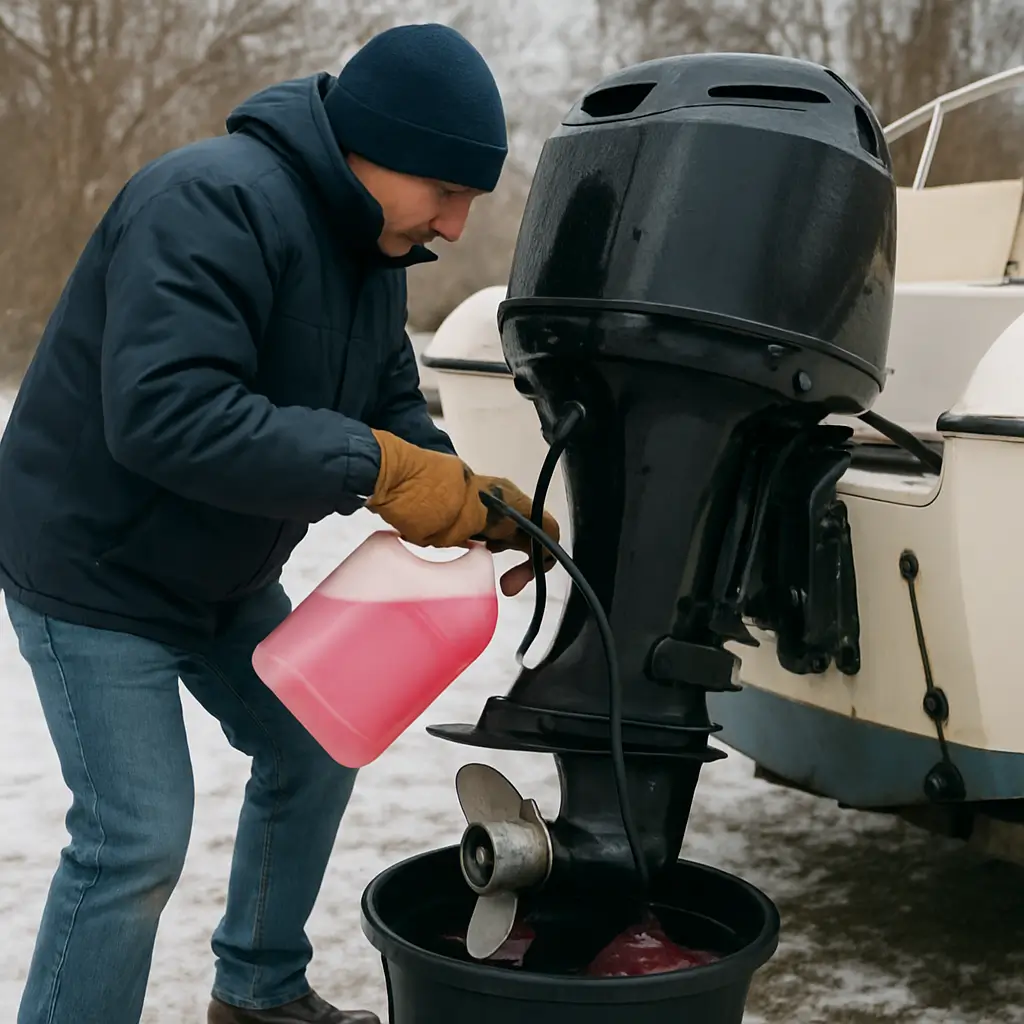
This is usually called maintenance.
In reality, winterizing an outboard motor is a recurring penalty of gasoline power.
It’s not optional. Skip one step, and spring often arrives with a repair bill instead of a smooth launch.
For many kayak, small-boat, and tender owners, this annual process raises a bigger question:
Why am I maintaining an engine I only use part of the year?
Winterization Isn’t Maintenance — It’s Damage Prevention
Outboard winterization exists for one reason:gasoline engines don’t tolerate long periods of inactivity.
Fuel degrades.
Oil absorbs contaminants.
Metal surfaces corrode.
Water trapped inside freezes and expands.
Winterization doesn’t improve performance.
It simply reduces the chance of damage while the engine sits unused.
And the risk compounds every season:
-
Time spent preparing and storing
-
Consumables like oil, filters, stabilizer, and fogging spray
-
The possibility of missing a step
-
Uncertainty about whether the engine will start next spring
The hidden cost isn’t just money.
It’s ongoing mental overhead.
The Winterization “Checklist” — and Its Real Cost
Most guides explain how to winterize.
Few explain what each step actually costs you.
Flushing the engine requires time, fittings, and fresh water. Miss salt or debris, and corrosion continues unseen.
Fuel stabilization depends on proper dosage and circulation. Old or untreated fuel still gums injectors and carburetors.
Oil and gear oil changes mean consumables, disposal, and labor. Water intrusion in the lower unit often goes unnoticed until damage appears.
Fogging the engine is easy to do incorrectly. Too little protection leads to corrosion; too much can cause startup issues.
Battery removal and storage adds another system to monitor through the winter.
Each step exists because internal combustion engines demand care even when idle.
Why This Burden Feels Worse on Small Boats
For large offshore boats, seasonal maintenance is accepted.
For small craft—kayaks, SUPs, inflatables, and lightweight fishing boats—the imbalance is hard to ignore.
You’re performing industrial-level seasonal maintenance
for short trips, calm water, and modest range needs.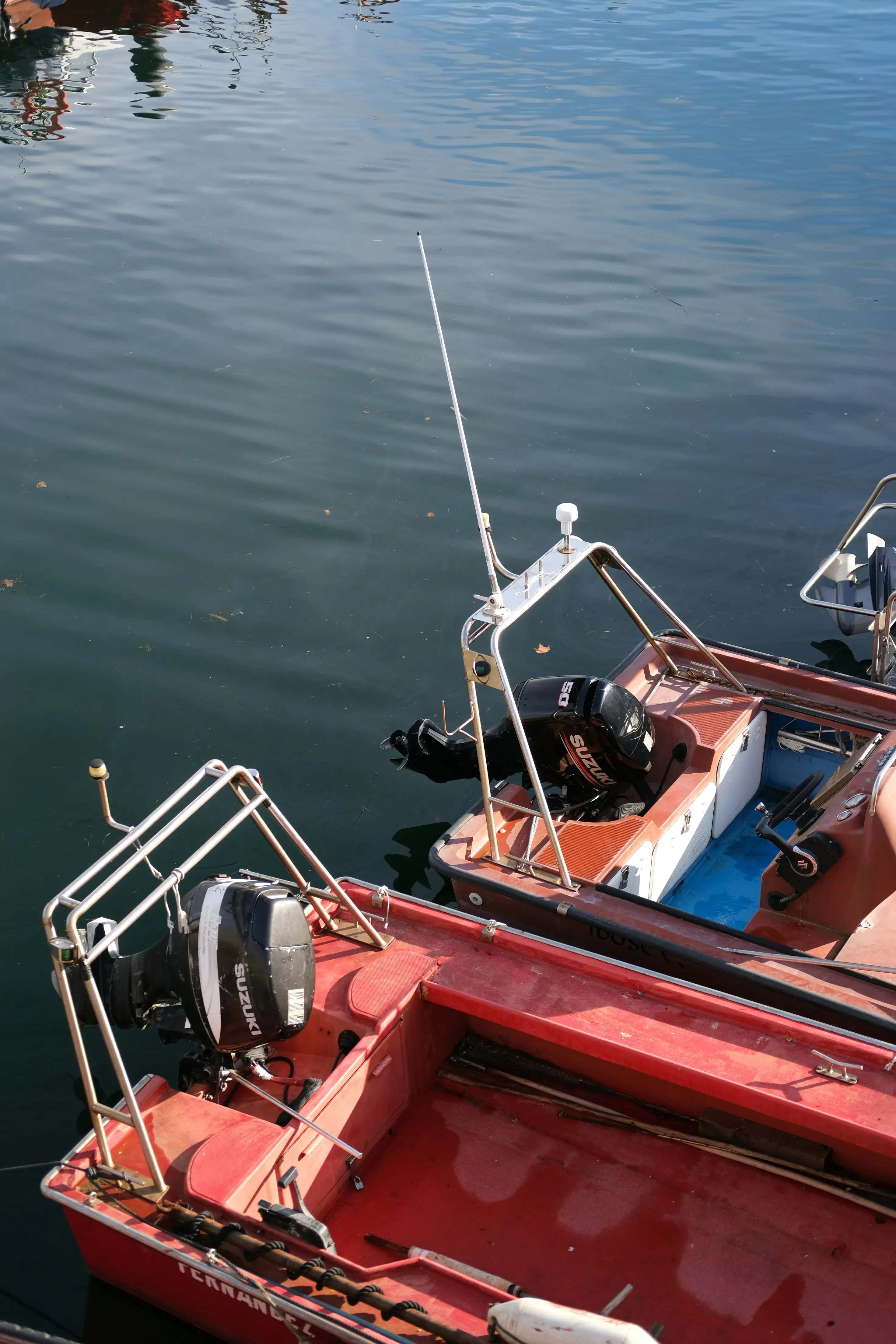
That’s why more owners stop asking:
“How do I winterize better?”
And start asking:
“Why am I winterizing at all?”
The Alternative Isn’t Another Engine — It’s Removing the Problem
When alternatives to outboards are discussed, people often think of electric outboards, hybrids, or pod drives. Those make sense for larger vessels.
For small watercraft, a different category has emerged:
modular electric propulsion.
Instead of replacing gasoline with another complex system, it removes the entire maintenance cycle.
No fuel.
No oil.
No winterization.
Where TEDGIX K4 Fits — and Why It Exists
TEDGIX K4 wasn’t designed to replace full outboard motors.
It was designed to eliminate the need for them in small-craft use cases.
As a slide-in electric fin motor for kayaks and SUPs, K4 removes the systems that make winterization necessary:
-
No fuel system → nothing to stabilize or drain
-
No internal combustion → no fogging, no corrosion during storage
-
No oil or gear oil → no seasonal fluid changes
-
Slide-in installation → no drilling or permanent mounts
It also features Auto-Steering, maintaining heading automatically and reducing constant correction on the water.
When winter comes, there’s nothing to winterize.
Remove the battery, store it indoors, and you’re done.
Simplicity Only Matters If It’s Built Right
Maintenance-free design only works if the product itself is reliable.
That’s why Edge Smart Drive operates with factory-level manufacturing, not hobby-grade assembly.
TEDGIX systems are:
-
Engineered by an in-house team
-
Produced on controlled manufacturing lines
-
Tested for sealing, electrical reliability, and repeatability
This approach removes failure points by design—not by instructions.
Rethinking the True Cost of Propulsion
Gasoline outboards don’t only cost money at purchase.
They cost:
-
Time every fall
-
Attention all winter
-
Repairs every few seasons
For many small-craft owners, the real question isn’t power.
It’s:
Why maintain an engine that creates more work than the use case demands?
The Real Choice
Winterizing an outboard motor isn’t a skill to master.
It’s a signal.
A signal that the propulsion system was designed for a different scale of boating.
If seasonal maintenance feels like a burden every year,
it may not be a maintenance problem.
It may be a propulsion choice problem.