
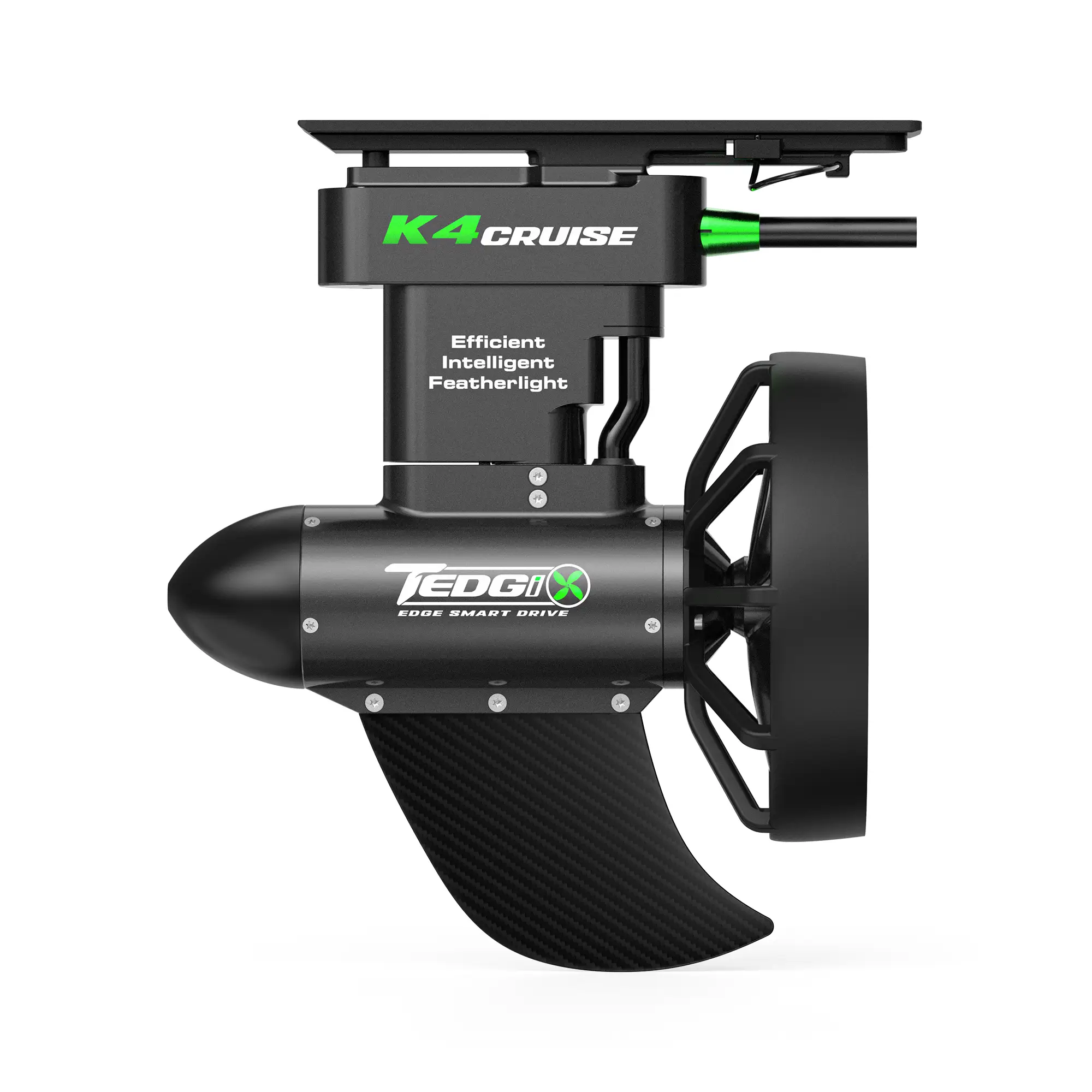
 K4C
K4C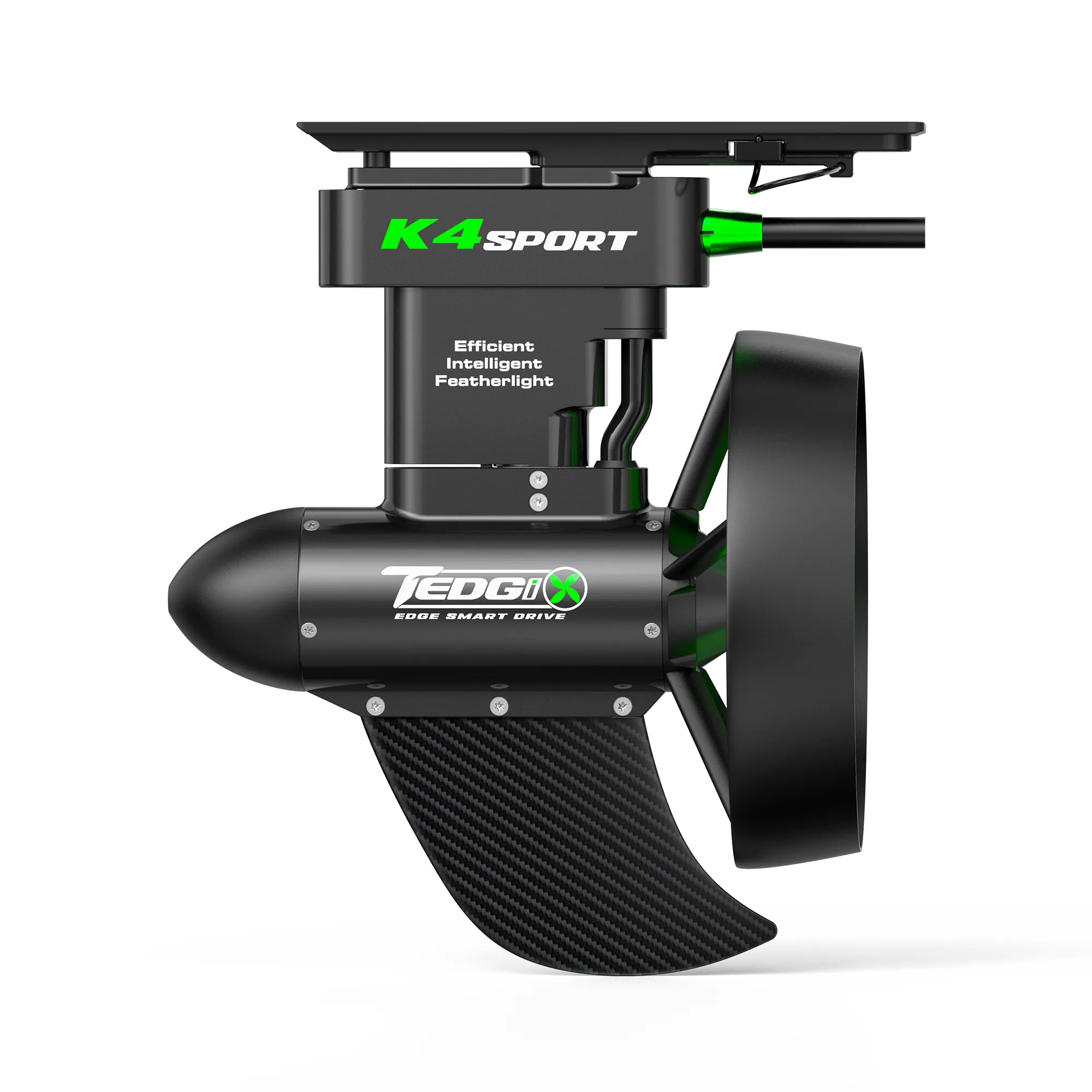 K4S
K4S K5
K5Best Inflatable Fishing Kayak Setup: What Actually Works
Search "best inflatable fishing kayak" and you mostly get hull roundups. That is useful up to a point. But for many buyers, the real decision stops being about the hull very quickly. Once rods, tackle, a seat, electronics, a battery, and propulsion enter the picture, the question changes from "Which kayak ranks highest?" to "Which setup still feels practical once everything is on board?"
That is the angle this article takes. It does not try to become another best-kayak list. It uses the keyword as a scenario entry point, then moves to the question that usually matters more in real use: what actually works once an inflatable fishing kayak has to stay fishable, portable, and easy enough to launch that you keep using it. Only after that does propulsion become worth discussing.
Most "Best Inflatable Fishing Kayak" Searches Miss the Real Decision
The best inflatable fishing kayak is rarely just the one that looks strongest in a product grid. It is the one that still works after the full fishing setup is added.
That matters because inflatable buyers are usually solving more than on-water movement. They often care about home storage, vehicle space, launch effort, and how much hardware the whole build asks them to manage before the first cast. A hull that looks convincing in a roundup can feel far less convincing once the working setup starts taking shape.
So the useful filter is not only "Which inflatable is best?" It is "Which inflatable fishing setup still feels clean after gear, power, and mounting decisions are layered in?"
What an Inflatable Fishing Setup Has to Get Right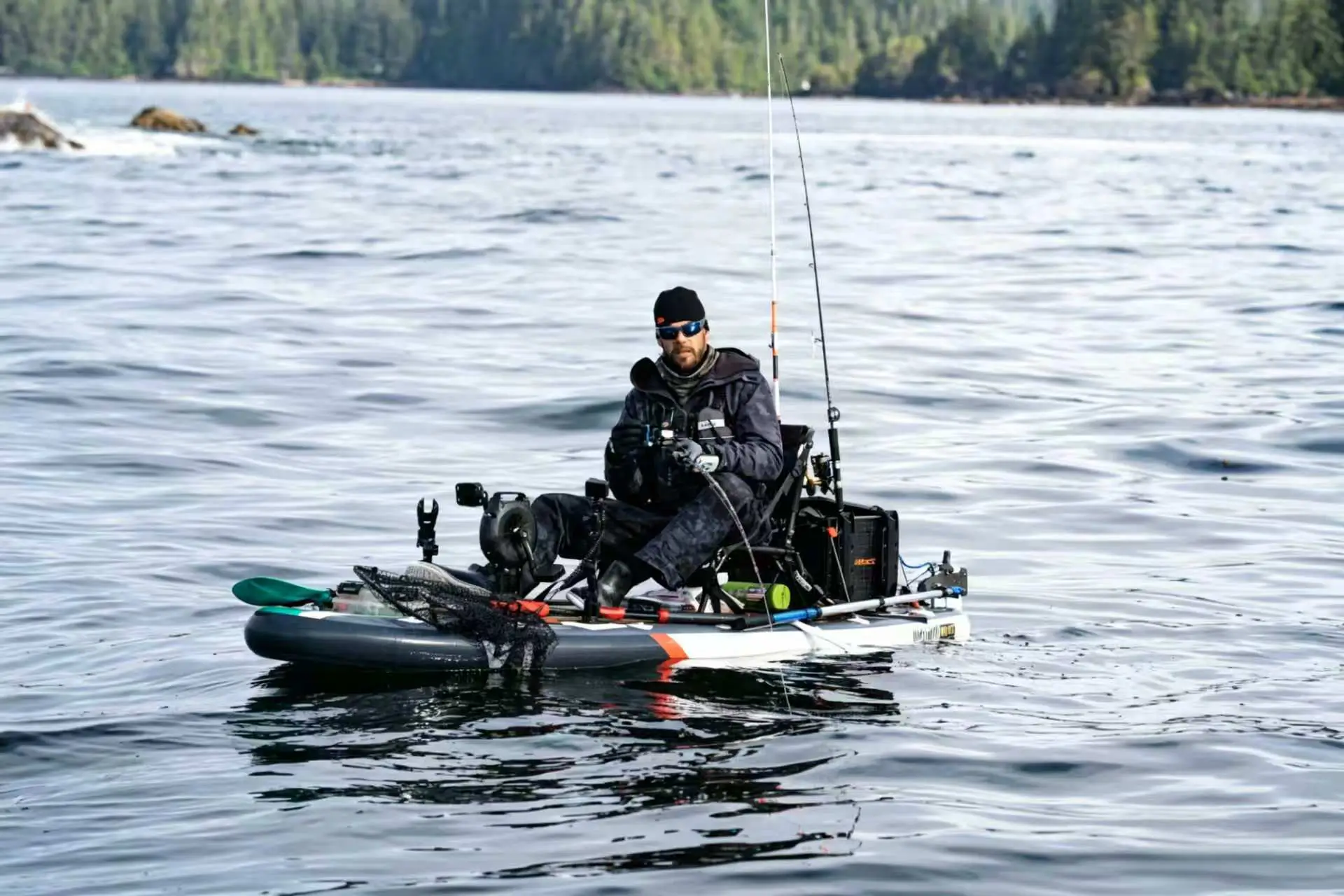
Keep the Deck Fishable
An inflatable fishing kayak has limited working space compared with the kind of heavier platform some motor discussions assume. Once rods, tackle, and batteries arrive, the setup either stays usable or it starts crowding the exact area you bought the kayak to fish from.
That is why deck space is not a minor detail. If the propulsion path starts pushing extra hardware, awkward battery placement, or unnecessary clutter into the working area, the platform can stop feeling fishable long before it stops feeling possible.
Keep Launch and Transport Light
One of the main reasons buyers choose inflatable fishing kayaks is logistics. They want a platform that is easier to store, easier to transport, and less demanding to launch than a heavier full-rig route.
That advantage disappears quickly if propulsion turns the setup into a cart, bracket, battery-box, and assembly project. For many users, the better setup is the one that keeps the overall burden low enough that the inflatable still feels like a convenience gain, not just a different type of hassle.
Avoid Turning the Hull Into a Hardware Project
Inflatable buyers also tend to be more sensitive to invasive mounting logic. For many of them, the whole appeal of the platform is that it avoids moving straight into a permanent, hardware-heavy build.
That does not mean every inflatable should be treated the same. It does mean the setup should respect why the inflatable was attractive in the first place. If the path immediately starts pushing toward more drilling, more fixed hardware, or more bulky add-ons than the user wanted, the setup is already fighting the original goal.
Why Heavy Motor Logic Often Fights the Inflatable Advantage
This is where some traditional heavier motor routes become a poor fit for certain inflatable fishing users. Not because they are always wrong, but because they often solve a different problem.
If the goal is a boat-style motorized platform, those trade-offs may be acceptable. But many inflatable fishing buyers are not trying to build the heaviest possible system. They are trying to preserve portability, keep launch effort under control, and avoid turning a compact platform into a bulkier project.
That is why heavy motor logic can create friction on inflatables. More bracket logic, more battery bulk, more deck intrusion, and more permanent-feeling setup steps can start undoing the convenience advantage that made the inflatable attractive to begin with.That becomes even more noticeable on fishing days that involve repeated repositioning, longer return effort, or the need to cover more water without turning the whole setup into something harder to transport and launch.
Why the Current Public K4 Route Fits This Setup Better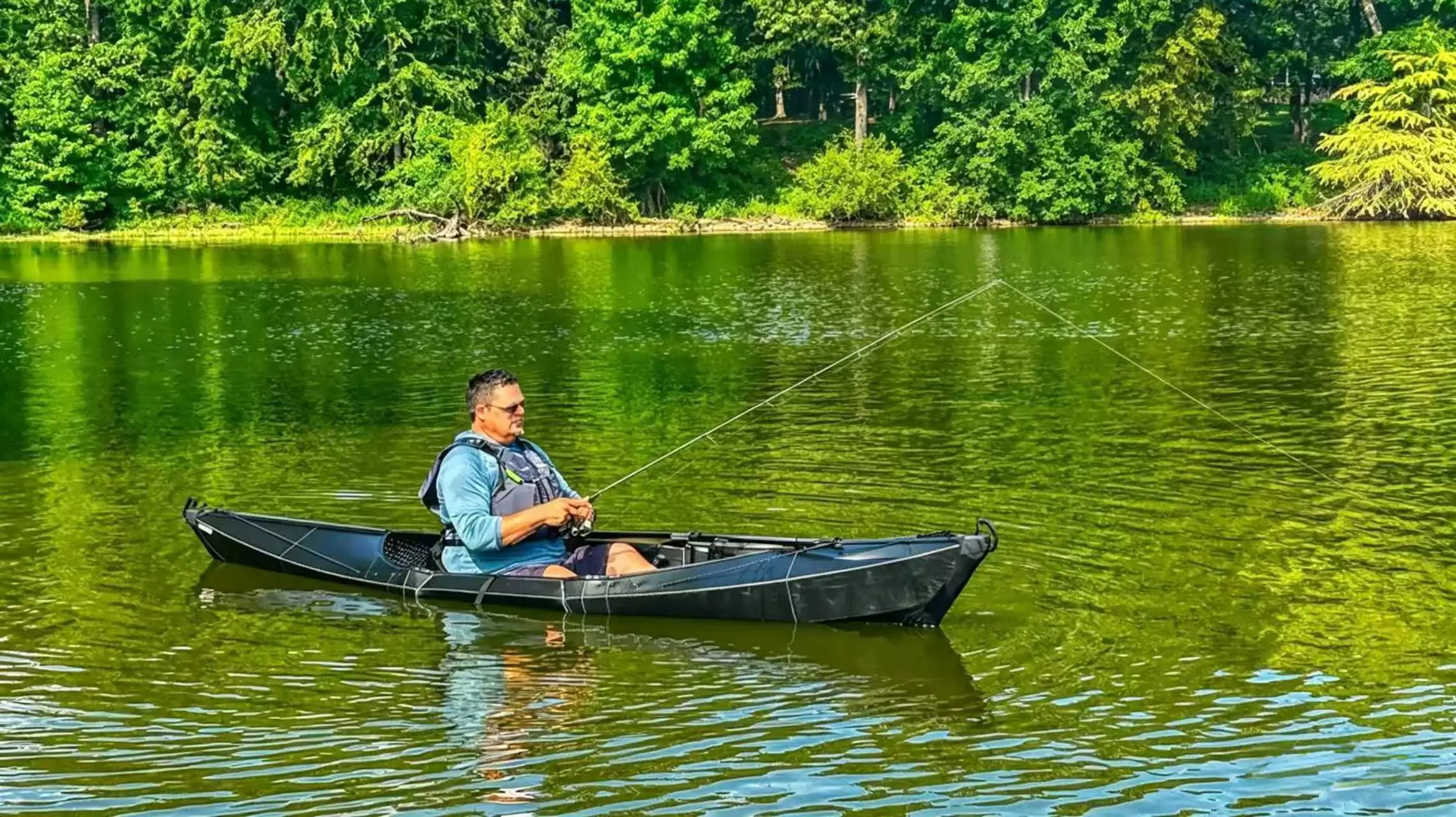
This is where the current public K4 route becomes more compelling. If your priorities are lower space burden, lower setup friction, and a propulsion path that supports the inflatable rather than overpowering it, K4 fits the logic of the setup better than a heavier boat-style motor route.
The point is not that K4 is right for every inflatable. It is that K4 makes more sense when the propulsion job is to help the platform stay efficient and manageable. For buyers who want a lighter overall setup logic and do not want to turn an inflatable into a heavier motor project, the public next step is to view the current K4 page.
Less Deck Intrusion, Less Project Creep
K4 fits this setup logic because it asks the platform for less. The hardware footprint stays cleaner, the propulsion layer feels more integrated, and the overall build is less likely to sprawl across the area you actually need for fishing. That makes a difference on inflatables, where every added component is competing with usable deck space.
That is also why K4 becomes easier to evaluate in a real inflatable setup context. It is easier to imagine a lighter propulsion partner sitting inside the build than to imagine a heavier motor path that steadily turns the inflatable into something closer to a small boat project.
A Less Invasive Mounting Path Where a Suitable Support Path Already Exists
K4 also fits better when mounting sensitivity is part of the decision. If you want to avoid drilling into the hull where a suitable support path already exists, the public K4 route gives you a cleaner next-step conversation than jumping straight into a heavier, more invasive mounting assumption.
That should not be treated as a blanket fit promise. It does, however, make K4 easier to evaluate for buyers who want propulsion support without defaulting to the most invasive mounting logic first.
When to Go Deeper Into Support Pages
If the public K4 direction is already clear, the next page depends on what is still unresolved.
If the open question is mounting logic, the right public support page is the K4 slide-in mounting base. If the mounting path is already clear and the next question is power planning, the next useful page is the K4 battery page.
A Practical Fit Filter Before You Buy
- If you are still only comparing inflatable hulls, a roundup may be enough for now.
- If you are already thinking about deck crowding, launch burden, and how propulsion changes the full rig, then this is a setup-fit decision, not just a kayak-choice decision.
- If you want propulsion support without turning an inflatable into a heavier boat-style motor project, the current public K4 route deserves a closer look.
- If you care about a less invasive path and lower setup friction, evaluate the K4 mounting conversation before assuming a heavier motor route is the only serious answer.
- If your target build is much closer to a full motorized platform than to a lighter inflatable fishing setup, a different route may fit better.
Final Takeaway
The best inflatable fishing kayak is not just the one that ranks well in a list. It is the one that still makes sense after storage, transport, launch, deck space, mounting, battery planning, and propulsion are all part of the decision.
That is why this article stays setup-first. For buyers who want to preserve the inflatable's convenience advantage, keep deck space more manageable, and add propulsion without forcing the platform into a heavier hardware project, the current public K4 page is the clearest next step. If that direction is already clear, mounting-base and battery support can come after it.
FAQ
What matters most in an inflatable fishing kayak setup?
The most important factors are usually usable deck space, transport burden, launch friction, and whether the full fishing setup still feels manageable after propulsion and batteries are added.
Why is this not a generic "best kayak" list article?
Because many buyers searching this term are really trying to solve a setup problem, not just compare inflatable hulls. A roundup can help with kayak browsing, but it often does not answer what makes the full fishing setup work.
When does propulsion become worth adding to an inflatable fishing kayak?
Propulsion becomes worth considering when paddling burden, fishing range, or return-effort starts to matter enough that a lighter support system improves the day without overwhelming the inflatable setup.
When should I look at K4 battery or mounting support pages?
Look at them after the K4 direction is already clear. Check the mounting-base page if your main question is mounting logic, and check the battery page if your next question is session planning.